
Over the past decade, the CBD industry has experienced remarkable growth, evolving from a niche market into a structured and increasingly professional sector across Europe.
Around 2016, CBD began gaining attention as a legal alternative within the broader hemp industry. At that time, the market was still fragmented, with unclear regulations and limited product development. However, growing consumer interest and scientific research quickly pushed the industry forward.
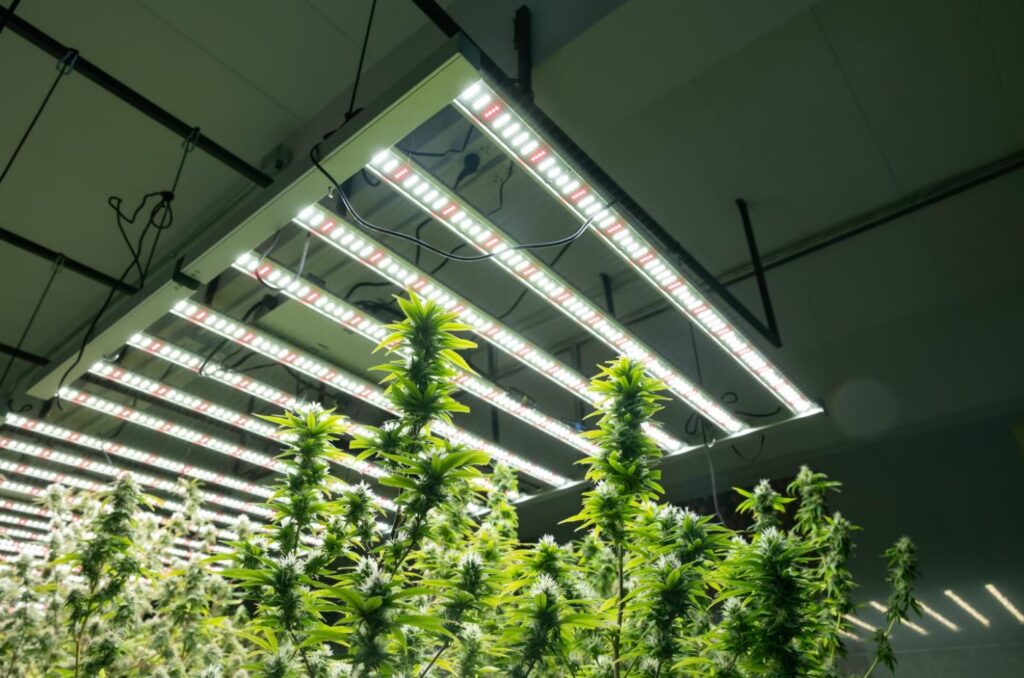
Since then, the European market has expanded significantly. Countries such as Germany, Switzerland, the Czech Republic, and the Netherlands have played a key role in shaping a more stable and regulated environment. While regulatory differences still exist between countries, the general trend has been toward normalization and acceptance within the framework of industrial hemp.
At the same time, product quality has improved dramatically. Early-stage products have been replaced by refined, standardized, and lab-tested solutions that meet higher expectations from both consumers and businesses.
Beyond traditional applications, the industry has also diversified. Industrial hemp is now being used in multiple sectors, including bio-construction, bioplastics, energy production, and food innovation. This diversification has strengthened the overall ecosystem and opened new business opportunities.
From a business perspective, the growth has been consistent. The European CBD market has seen steady increases in revenue year after year, supported by rising demand and improved supply chains. Companies have become more structured, investing in logistics, branding, and compliance.
Despite regulatory challenges in some countries, the long-term outlook remains positive. The industry continues to move toward greater transparency, standardization, and integration into mainstream markets.
Today, CBD is no longer an emerging trend — it is a consolidated sector with strong foundations and significant potential for future growth.